3D Layered Bouquet of Roses: Digital Cut Files
Creating dimensional paper art requires more than just a steady hand; it demands precision engineering in digital form. The 3D Layered Bouquet of Roses is not a traditional typeface or font, but rather a sophisticated collection of vector-based design assets engineered specifically for laser cutting and digital fabrication. This digital download provides the structural blueprint for assembling intricate, multi-dimensional floral arrangements that possess the visual weight and elegance of premium display typography without using letters. For designers, crafters, and small business owners, these files bridge the gap between flat digital graphics and tangible, high-end physical products.
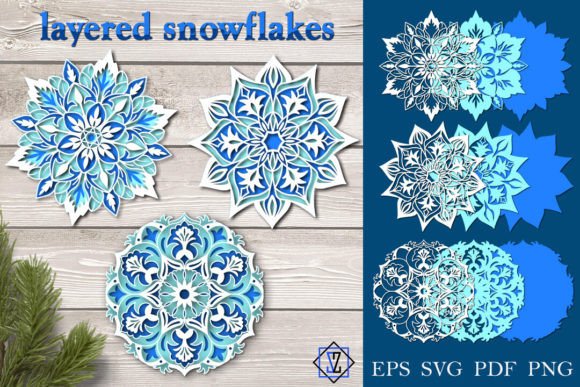
The visual personality of this bouquet design leans heavily into romantic realism and structured elegance. Much like a well-crafted serif font conveys tradition and authority, these layered rose designs communicate sophistication through depth and shadow. The "3D" aspect is achieved not through rendering software, but through the physical stacking of paper layers. Each of the eight included designs serves as a distinct component, allowing creators to build volume that mimics the organic complexity of real flowers. This tactile quality makes the asset invaluable for projects where standard clipart falls flat, offering a level of professionalism that elevates brand perception and audience engagement.
Technical Specifications and File Compatibility
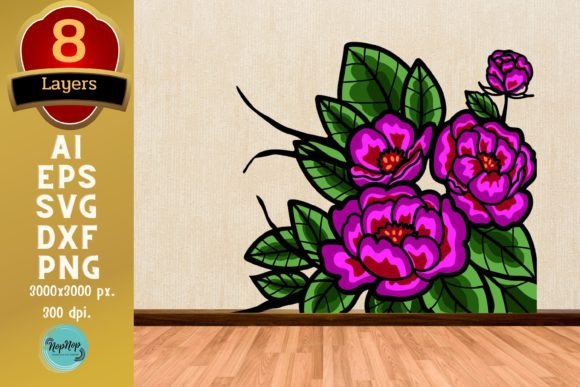
Understanding the technical foundation of these design assets is crucial for seamless integration into your workflow. The artboard size is set to 3000 × 3000 pixels at a resolution of 300 dpi. While DPI is typically associated with raster printing, maintaining this specification ensures that when PNG files are used for print references or mockups, they remain crisp and artifact-free. For vector editing and cutting, the high pixel dimension translates to ample workspace for scaling without loss of fidelity.
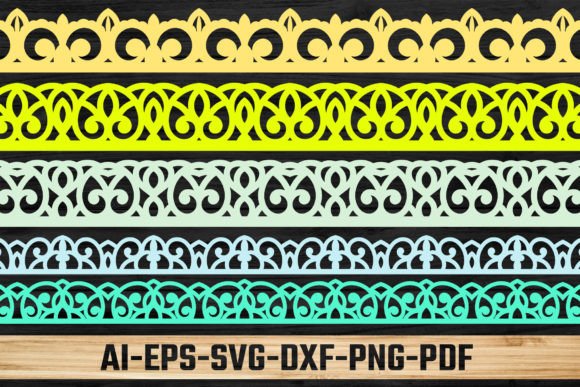
Versatility across platforms is a primary consideration for modern creative professionals. This digital cut file package includes formats compatible with virtually every major design and fabrication ecosystem:
- AI & EPS: Essential for Adobe Illustrator users requiring full node editing capabilities. These formats preserve the mathematical curves necessary for smooth laser cuts.
- SVG: The industry standard for Cricut Design Space and Silhouette Designer Edition. SVGs maintain scalability and layer separation, which is critical for assigning different cut lines to different paper colors.
- DXF: Optimized for Glowforge and other laser engravers. DXF files ensure that the machine interprets the vector paths correctly for precise burning or cutting.
- PNG: Included in both black (actual cut file) and color (sample reference). Note that while samples show colored roses, the actual PNG cut files are black silhouettes intended for use with colored cardstock.
This comprehensive format support ensures that whether you are working in Corel Draw, Inkscape, Make the Cut, or ScanNCut, the integrity of the design remains intact. Having access to editable source files like AI and EPS also allows advanced users to modify petal shapes or adjust layer spacing, functioning similarly to customizing a commercial font glyph to fit a specific logo design need.
Strategic Applications in Branding and Product Design
While often categorized under crafting, the 3D Layered Bouquet of Roses serves significant strategic roles in commercial and editorial contexts. In packaging design, flat printed flowers can look generic. A 3D layered element applied to luxury gift boxes, wedding invitation suites, or boutique product tags introduces a sensory dimension that reinforces brand identity. This tactile interaction increases perceived value, much like embossing or foil stamping, but with greater accessibility for small-scale production.
For content creators and marketers, these assets solve the problem of unique visual storytelling. Social media graphics featuring physical paper art stop the scroll more effectively than stock vectors because they imply human effort and authenticity. When used in blog headers, Pinterest pins, or YouTube thumbnails, the dimensional quality creates natural visual hierarchy. The shadows cast by the layers guide the viewer’s eye, creating focal points without relying on bold sans serif text overlays. This organic flow complements modern typography trends that favor clean, minimalist layouts accented by rich, detailed illustrations.
In the realm of event styling and publishing, consistency is key. Using a cohesive set of eight layered designs allows for a unified visual language across save-the-dates, table numbers, favors, and thank-you cards. This repetition builds recognition and professionalism. Just as a brand guidelines document dictates specific font pairings, utilizing a matched set of floral assets ensures that every touchpoint feels intentional and curated rather than haphazardly assembled from disparate sources.
Material Selection and Assembly Best Practices
The success of the 3D Layered Bouquet of Roses depends heavily on material choice and assembly technique. Because the design relies on stacking, paper weight is the most critical variable. Standard copy paper lacks the rigidity to hold the 3D shape and may warp under adhesive. Conversely, heavy cardstock above 80lb (216 gsm) can be difficult to cut intricately and may result in charred edges during laser processing. Mid-weight cardstock (65lb–80lb) typically offers the optimal balance of detail retention and structural integrity.
Color selection acts as the primary driver of visual depth. Since the actual PNG files are black, the aesthetic outcome is entirely dependent on the paper palette chosen during fabrication. Monochromatic schemes using varying shades of a single hue create subtle, sophisticated gradients reminiscent of tone-on-tone editorial design. High-contrast combinations can mimic the boldness of a display font, making the bouquet suitable for vibrant retail signage or festive decor. Testing color pairings before final production is recommended, just as one would test font readability against background colors in web design.
Assembly requires patience and precision. Adhesive application should be minimal to prevent warping; foam tape or glue dots are often superior to liquid glue for maintaining consistent spacing between layers. This physical separation is what generates the shadows defining the 3D effect. For laser cutting users, adjusting power and speed settings based on paper thickness is essential to achieve clean edges. Burnt edges detract from the premium feel, so test cuts are mandatory. Treat the calibration process with the same rigor as kerning adjustments in typography; small deviations compound over multiple layers.
Evaluating Fit and Commercial Considerations
Before integrating the 3D Layered Bouquet of Roses into a project, evaluate whether the style aligns with the intended message. This asset excels in contexts requiring warmth, romance, celebration, or artisanal quality. It is less suitable for corporate tech branding, medical communications, or ultra-modern minimalist aesthetics where organic complexity might introduce visual noise. Understanding this distinction prevents stylistic dissonance that can confuse audiences or dilute brand messaging.
When reviewing the included styles, consider how the eight variations interact. Do they function as a cohesive family, similar to different weights of a typeface? Assess whether the level of detail matches your output method. Intricate inner petals may require a high-quality blade or fine-tuned laser focus. If producing at scale, calculate the time investment for weeding and assembly against the value added to the final product. Efficiency matters in commercial applications, and sometimes a simpler variation from the set may offer better ROI than the most complex design.
Finally, always verify licensing terms for commercial use. While digital downloads often include commercial rights, restrictions may apply regarding resale of unmodified files versus finished goods. Respecting intellectual property protects your business and supports the designer community. Proper attribution and ethical usage contribute to a sustainable creative ecosystem. By treating these digital assets with professional respect and technical care, creators unlock their full potential to transform flat materials into compelling, three-dimensional experiences that resonate deeply with viewers and customers alike.