Evaluating the Laser Lace Border Die Cuts Bundle SVG 30 for Precision Paper Crafting
Selecting the right digital assets for intricate paper crafting requires balancing aesthetic complexity with technical compatibility. The Laser Lace Border Die Cuts Bundle SVG 30 represents a specific category of digital design files optimized for both laser cutting systems and electronic die-cutting machines. Unlike standard vector graphics intended solely for screen display or simple vinyl decals, this bundle is engineered with physical manufacturing constraints in mind. For crafters, small business owners, and hobbyists evaluating their options, understanding the distinction between generic lace vectors and purpose-built cutting files is essential for minimizing material waste and production time.
Technical Specifications and File Format Versatility
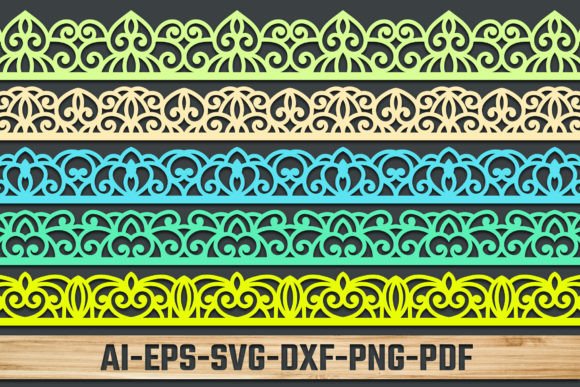
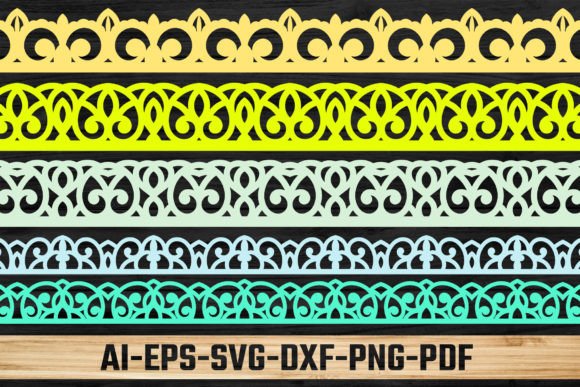
A primary decision factor when acquiring digital cutting files is format flexibility. The Laser Lace Border Die Cuts Bundle SVG 30 distinguishes itself by providing a comprehensive suite of file types rather than a single vector format. Upon purchase, users receive a ZIP archive containing distinct formats tailored to different hardware ecosystems:
- SVG (5 Files): Scalable Vector Graphics compatible with Cricut Design Space, Silhouette Studio Designer Edition, and Brother CanvasWorkspace. These files retain node information necessary for resizing without pixelation.
- DXF (5 Files): Drawing Exchange Format files designed for the basic edition of Silhouette Studio and other CAD-based cutters. This ensures accessibility for users who have not upgraded to premium software tiers.
- AI and EPS (5 Files Each): Adobe Illustrator and Encapsulated PostScript files allow professional designers to modify anchor points, adjust line weights, or integrate the lace borders into larger composite designs before exporting for production.
- PNG (5 Files): High-resolution raster images useful for digital mockups, print-and-cut projects, or sublimation transfers where vector cutting is not required.
- PDF (5 Files): Universal documents that serve as printable templates or reference guides for manual tracing and alignment.
This multi-format approach addresses a common pain point in the digital crafting market: incompatibility. Many alternative bundles offer only SVG or PNG files, forcing users with older machines or specific software preferences to convert files manually, often resulting in lost detail or disconnected nodes. By including native DXF and AI files, this bundle reduces the technical friction associated with cross-platform workflows.
Digital Bundles vs. Physical Metal Dies: A Practical Comparison
Crafters often face a choice between purchasing digital files like the Laser Lace Border Die Cuts Bundle SVG 30 and investing in traditional metal cutting dies. Both approaches have distinct tradeoffs that influence long-term value and creative flexibility.
Cost Efficiency and Storage
Physical ornamental die cuts are tangible tools that require storage space and typically cost significantly more per unit. A single metal lace border die can range from $15 to $30. In contrast, a digital bundle provides multiple designs for a fraction of that cost. For users with limited physical storage or those who need variety over longevity, digital assets offer superior economic efficiency. However, metal dies do not require a computer or software knowledge, making them preferable for analog-first crafters.
Customization and Scalability
The defining advantage of the Laser Lace Border Die Cuts Bundle SVG 30 is infinite scalability. Metal dies are fixed in size; if a project requires a 4-inch border but the die is 6 inches, the user must either trim the result (losing the pattern's integrity) or find a different tool. Digital files can be resized to exact specifications within the cutting software. This adaptability is critical for bookkeepers or accountants creating custom ledger covers, wedding stationers sizing invitations to non-standard envelopes, or scrapbookers working with varied photo dimensions.
Production Speed and Material Interaction
While digital files offer flexibility, physical dies generally cut faster and apply more consistent pressure across thick materials. Digital cutting relies on blade depth settings and mat adhesion, which may require test cuts when switching between cardstock, vellum, or wood veneer. Users choosing the digital route must be comfortable calibrating their machines. Those prioritizing high-volume production on heavy-weight materials may still prefer physical dies despite the higher upfront cost.
Compatibility Across Cutting Platforms
Evaluating whether this bundle fits your existing workflow depends heavily on your hardware. The inclusion of specific file types maps directly to machine capabilities:
- Cricut Maker/Explore/Air: Utilizes the SVG files natively. The intricate nodes in lace patterns are generally handled well, though very dense designs may require slowing the cutting speed to prevent tearing.
- Silhouette Cameo/Curio: Can use SVG (Designer Edition) or DXF (Basic Edition). The DXF inclusion is particularly valuable here, as many lace bundles omit this format, forcing Basic Edition users to trace raster images instead of using clean vector paths.
- Brother ScanNCut: Supports SVG and DXF. Users should verify that the design density does not exceed the machine’s minimum cut width recommendations for delicate papers.
- Laser Cutters (Glowforge, xTool, etc.): While marketed for paper craft machines, the SVG and AI files are equally suitable for laser cutting. Laser systems excel at reproducing the fine details of lace borders that might tear under a mechanical blade. Users should note that laser cutting produces charred edges on paper, whereas blade cutting does not.
- Sizzix/Gemini: These machines primarily use physical dies. However, users with electronic versions or hybrid setups can utilize the PDF files as templates for manual positioning or pair the digital designs with compatible electronic cutting attachments.
Best-Fit Scenarios and User Profiles
The Laser Lace Border Die Cuts Bundle SVG 30 serves specific user needs better than others. Understanding these profiles helps determine if this resource aligns with your current projects.
Ideal For: Small Business Owners and Professionals
Bookkeepers, accountants, and administrative professionals who create branded materials benefit from the precision and customization of digital lace borders. Unlike decorative elements that appear purely ornamental, structured lace patterns can frame certificates, invoices, or client portfolios with a sense of formality. The ability to resize borders to fit standard document sizes (A4, Letter) without distortion makes this bundle functionally superior to fixed-size alternatives for professional documentation.
Ideal For: Mixed-Media Artists and Scrapbookers
Users combining paper cutting with other techniques will appreciate the PNG and PDF inclusions. A PNG file allows the lace pattern to be printed onto acetate or vellum for layering, while the SVG version creates a matching cut-out frame. This dual-use capability supports complex 3D paper cut projects and shadow box assemblies where depth and texture are paramount.
Less Suitable For: High-Volume Commercial Manufacturers
If your primary goal is mass-producing thousands of identical lace cards daily, digital cutting may be too slow compared to industrial steel rule dies or rotary cutters. The setup time for digital cutting—including weeding intricate lace patterns—makes it less efficient for bulk manufacturing. This bundle is optimized for bespoke, small-batch, or prototype work rather than industrial-scale output.
Evaluating Design Complexity and Material Considerations
Not all lace die cut files are created equal. When comparing the Laser Lace Border Die Cuts Bundle SVG 30 against free or lower-cost alternatives, consider the following technical attributes:
- Node Optimization: Poorly digitized lace files contain excessive anchor points, causing cutting machines to stutter or pause frequently. Professional-grade bundles typically feature optimized paths that balance detail with cutting efficiency.
- Bridging and Connectivity: Lace patterns must remain structurally sound after cutting. Files designed specifically for die cutting include strategic bridges that prevent internal elements from falling out. Generic lace vectors intended for printing often lack these structural connections, rendering them unusable for physical cutting.
- Kerf Compensation: Laser cutting removes material width (kerf), while blade cutting displaces it. High-quality cutting files account for these differences or provide separate versions for each method. Users should test cut on scrap material to verify that the bridge widths in this bundle suit their specific machine’s tolerance.
Making an Informed Decision
Choosing between the Laser Lace Border Die Cuts Bundle SVG 30 and competing resources ultimately depends on your equipment, volume requirements, and customization needs. If you own an electronic cutting machine or laser cutter and require resizable, multi-format files for varied projects, this bundle offers significant practical value. The inclusion of DXF and AI files alongside standard SVG formats demonstrates consideration for diverse user environments, reducing the likelihood of post-purchase compatibility issues.
However, if you lack digital cutting equipment, require instant tactile feedback, or produce uniform items at industrial scale, traditional metal dies or outsourcing to a die-cutting service may prove more effective. Evaluate your current inventory of cutting tools, assess the frequency with which you need custom-sized ornamental borders, and consider whether the learning curve of digital file management aligns with your available time. By weighing these factors against the technical specifications and format versatility outlined above, you can select the solution that best supports your creative or professional objectives without over-investing in unnecessary capabilities.